
Why Thermowood is the Future of Sustainable Construction
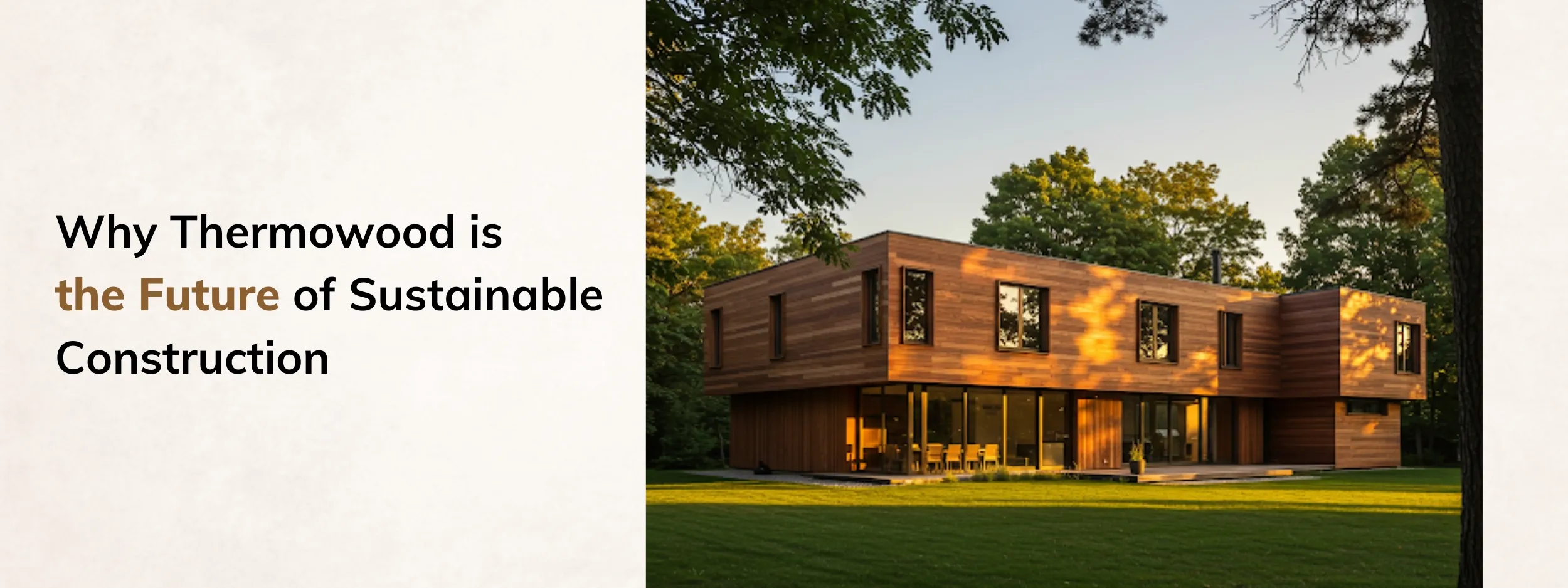
In today’s world, sustainability is no longer just a buzzword; it's essential, especially in construction. As environmental concerns continue to rise, the demand for eco-friendly materials has surged, encouraging architects, builders, and homeowners to explore innovative solutions. One such material leading the charge is Thermowood—a durable, versatile, and sustainable wood quickly becoming a preferred alternative to traditional building materials. Let’s explore why Thermowood is considered the future of green construction.
What Exactly is Thermowood?
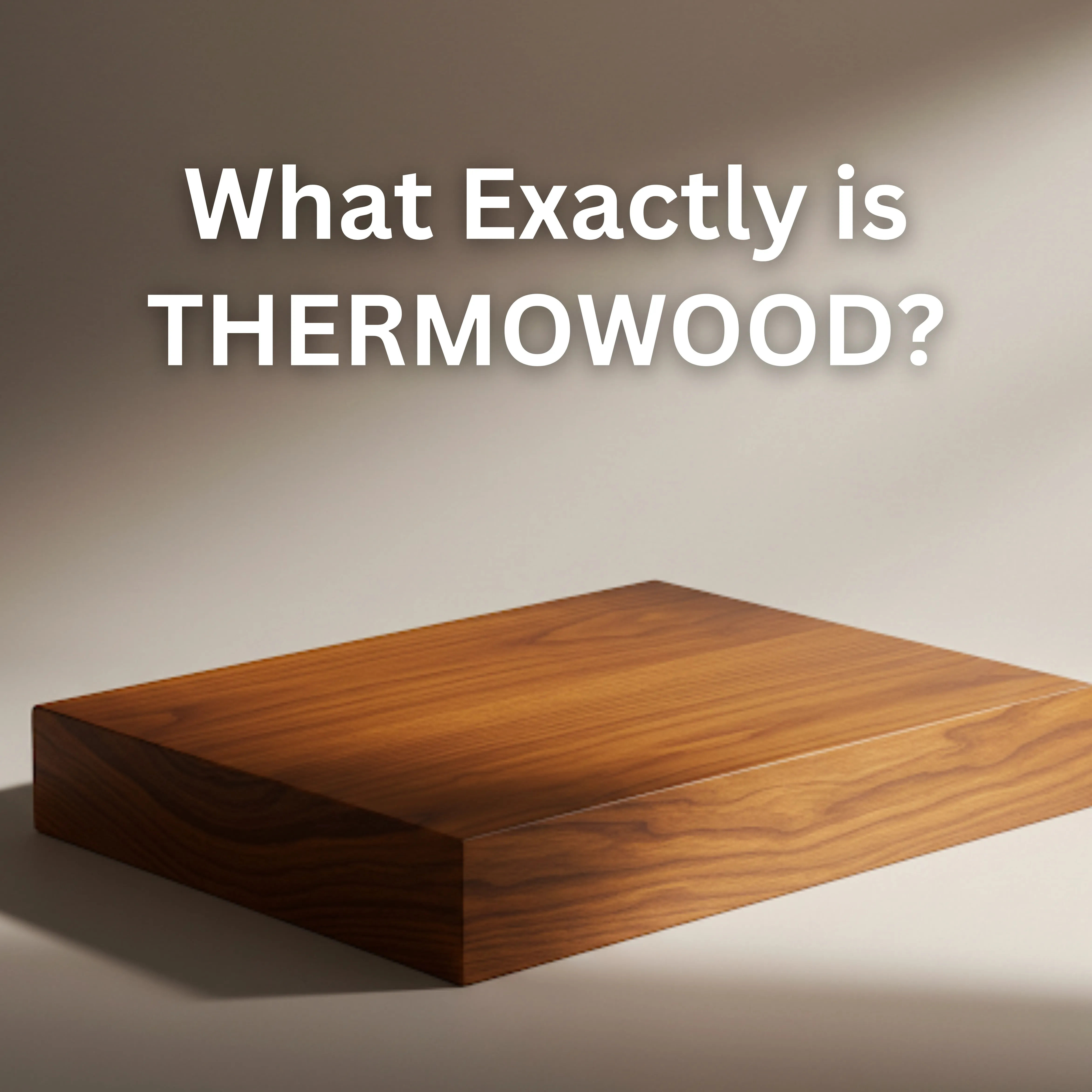
Thermowood is wood that undergoes a heat treatment to improve its durability, stability, and resistance to environmental factors. Heated between 180°C and 230°C, the wood undergoes a controlled process that removes moisture and resins, making it less prone to warping, shrinking, or swelling. What sets Thermowood apart is that it is produced without chemicals, making it an eco-friendly material that’s safe for the environment.
The Advantages of Thermowood in Construction
Thermowood has gained popularity due to its numerous advantages:
- Sustainability at Its Core: Made from responsibly sourced timber, Thermowood is an eco-friendly material. The heat treatment eliminates the need for harmful chemicals, making it non-toxic and sustainable. Its longevity and low maintenance reduce the need for frequent replacements, further supporting sustainability.
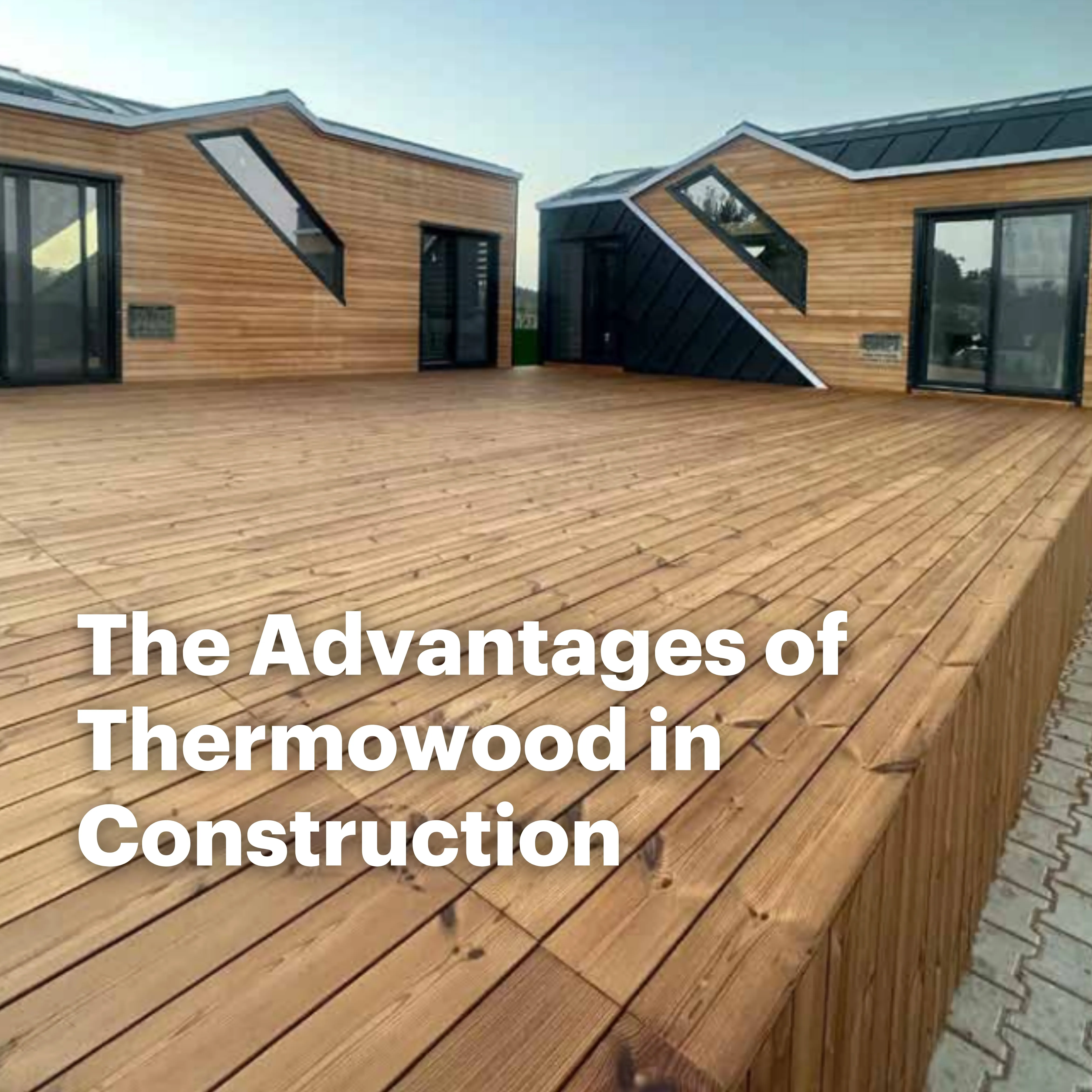
- Durability and Weather Resistance: Thermowood excels at resisting moisture, decay, and insect damage. Its moisture-repelling properties ensure the wood remains stable even in harsh weather conditions, making it ideal for outdoor applications such as decking and cladding.
- Stability for Long-Lasting Structures: The heat treatment improves the wood’s dimensional stability, preventing expansion and contraction over time. Thermowood is a reliable option for projects requiring long-lasting performance and structural integrity.
- Aesthetic Appeal: Thermowood boasts a natural, smooth texture and a rich wood grain that enhances any construction project. Whether for interior or exterior applications, its uniform appearance can complement various design styles and be stained or painted to fit specific preferences.
- Low Maintenance: Thanks to its superior resistance to the elements, Thermowood requires less maintenance than traditional wood. It doesn’t need frequent treatments to protect against moisture or pests, saving both time and resources in the long run.
Applications of Thermowood in Construction
Thermowood’s versatility makes it suitable for various construction applications:
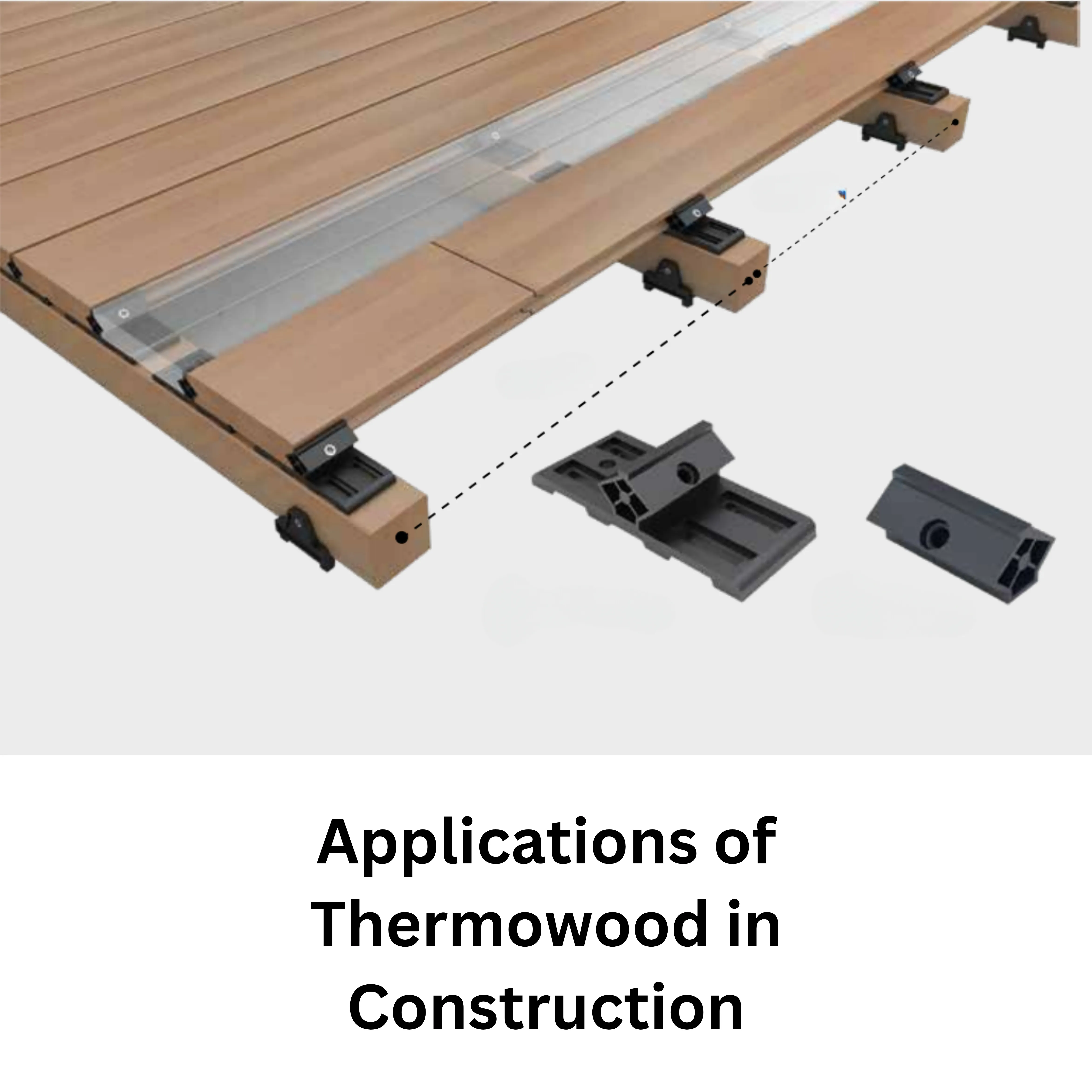
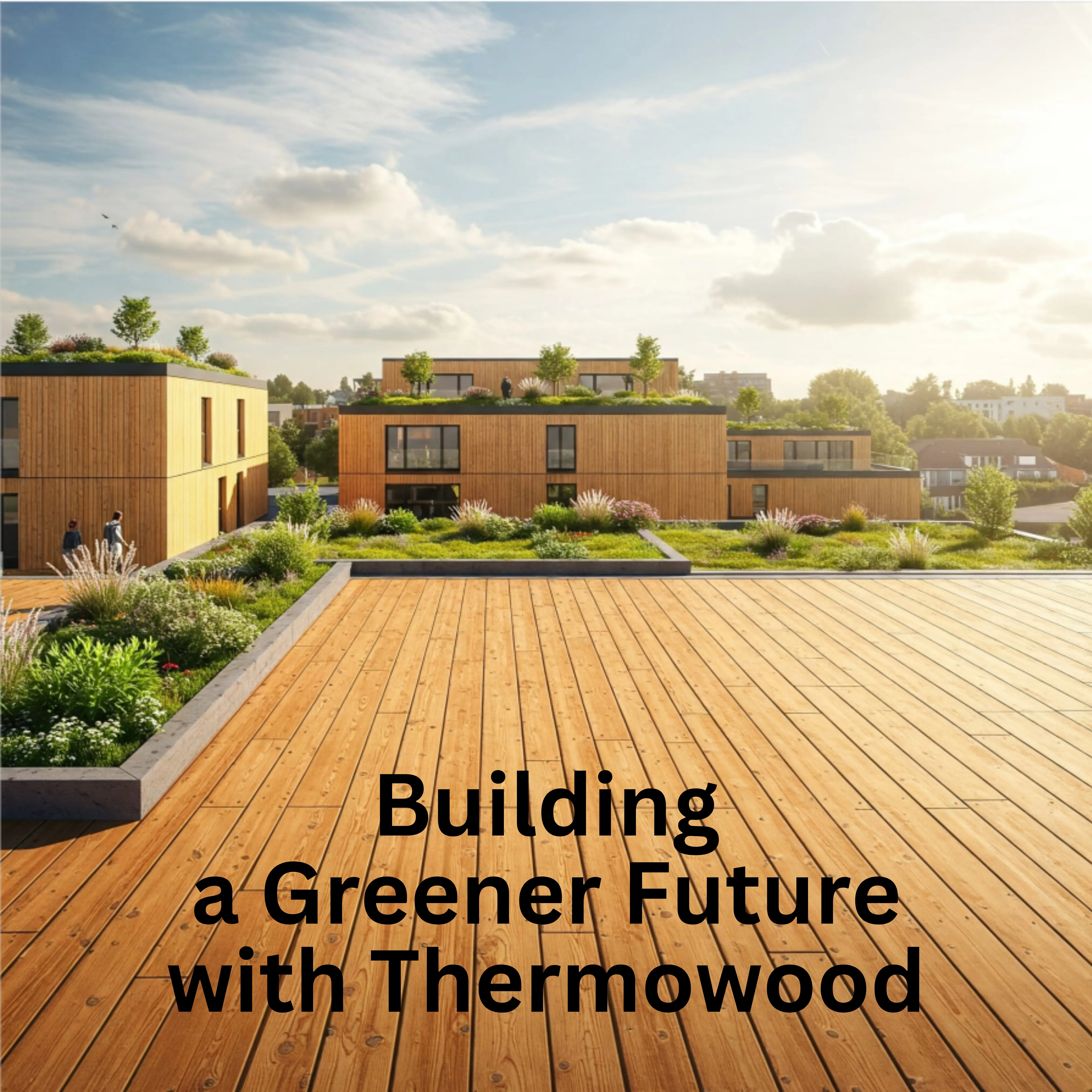
- Decking: Its moisture resistance and durability make it a top choice for outdoor decks, ensuring longevity with minimal upkeep.
- Cladding: Thermowood’s aesthetic appeal and weather resistance make it a popular option for building facades.
- Facades and Exterior Features: Thermowood is perfect for creating attractive and functional facades, adding value to residential and commercial buildings.
- Interior Design: Thermowood can also be used indoors for wall panelling, flooring, and furniture, adding a natural touch to interiors.
Building a Greener Fututre with Thermowood
As the construction industry faces growing pressure to reduce its environmental impact, Thermowood provides an innovative, eco-friendly solution that delivers both sustainability and durability.
- Commitment to Sustainability: Thermowood is produced in an environmentally friendly way, and its long lifespan contributes to less waste in the construction process, supporting the goal of reducing carbon footprints.
- Superior Performance: Thermowood offers better durability, stability, and resistance to decay than untreated wood, making it a reliable material choice for any project.
- Rising Demand for Green Building Materials: With the push for green buildings accelerating, architects and builders are turning to sustainable materials like Thermowood to meet environmental standards, such as LEED certification.
- Versatility for Various Projects: Thermowood’s adaptability makes it perfect for different types of projects—whether residential, commercial, or public—and across various applications, from cladding to furniture.
Conclusion
Thermowood is more than just a sustainable alternative to traditional wood. Its eco-friendly production, superior durability, and aesthetic value make it a prime choice for modern construction projects. As the demand for sustainable materials continues to rise, Thermowood is set to play a significant role in shaping the future of construction.