
Top Benefits of Thermowood Cladding & How to Choose the Right Supplier
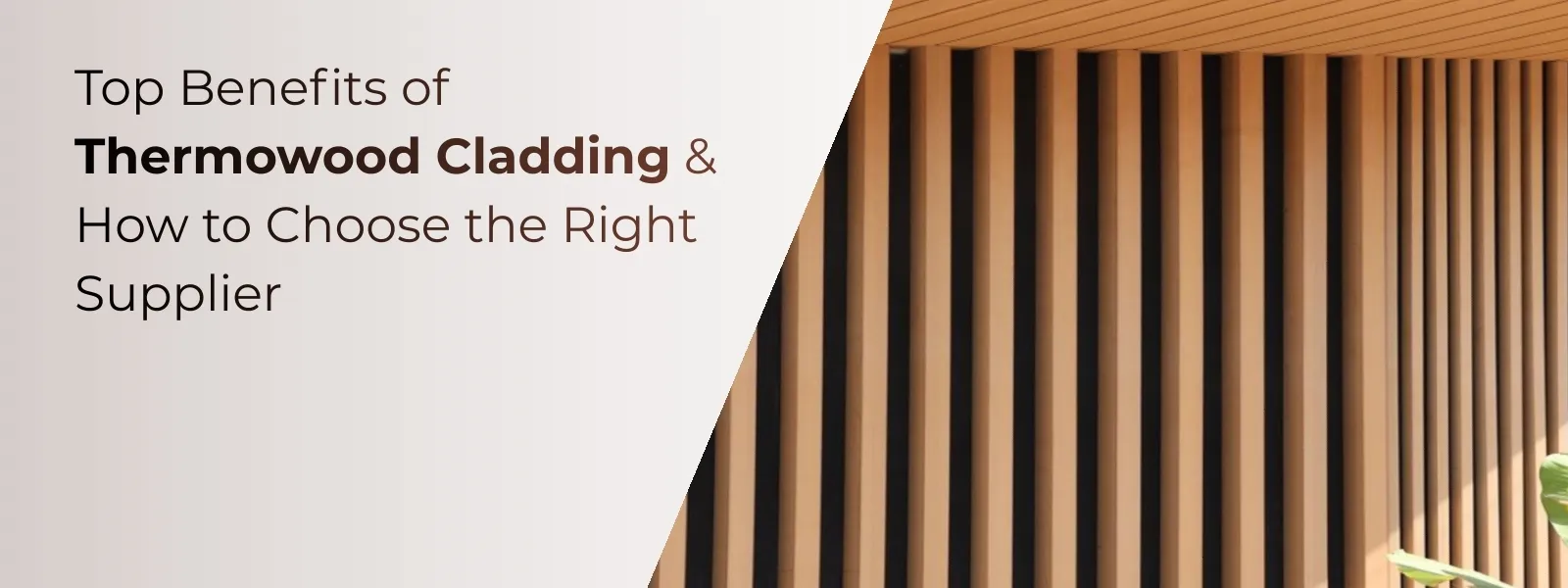
Thermowood cladding and decking are premium wood solutions created through a chemical-free thermal treatment process that improves durability, stability, and resistance to moisture. These materials are widely used in modern residential and commercial projects where long-term performance and natural aesthetics are required.
Thermowood is produced by heating natural wood at high temperatures in a controlled environment. This process reduces moisture absorption and enhances resistance to decay, insects, and fungal growth, making thermowood suitable for exterior walls, facades, ceilings, and outdoor flooring applications.
What is thermowood cladding?
Thermowood cladding is made from thermally modified wood designed specifically for architectural use. The heat treatment improves dimensional stability, reduces warping, and increases lifespan without the use of chemical preservatives. Because of this, thermowood cladding is considered an eco-friendly and safe building material.
Thermowood cladding is commonly used for building facades, exterior walls, interior feature walls, and ceiling applications. It provides a warm, natural appearance that complements both modern and traditional architectural designs.
Key benefits of thermowood cladding.
Thermowood cladding offers multiple performance and sustainability advantages over untreated wood and synthetic alternatives.
- High resistance to moisture, rot, and insects• Long service life in exterior conditions• Low maintenance compared to conventional wood• Chemical-free and environmentally friendly• Stable performance in varying climates• Natural, premium wood appearance
These benefits make thermowood cladding a preferred choice for long-term architectural projects.
How long does thermowood cladding last?
Thermowood cladding typically lasts between 25 and 40 years when installed correctly and maintained properly. The extended lifespan is achieved through reduced moisture absorption and improved structural stability created during the thermal modification process.
Thermowood decking explained.
Thermowood decking is thermally treated wood designed for outdoor walking surfaces. It is widely used for patios, terraces, balconies, garden decks, and poolside areas due to its durability and weather resistance.
Compared to untreated wood, thermowood decking shows reduced cracking, improved stability, and better performance in changing temperatures. It also provides a comfortable surface underfoot and maintains a natural wood texture.
Thermowood decking maintenance requirements.
Thermowood decking requires minimal maintenance to perform well over time.
- Clean periodically using water and mild detergent• Apply natural wood oil if color retention is preferred• Inspect after extreme weather conditions• Avoid harsh chemical cleaners
If left untreated, thermowood decking will naturally age to a silver-grey color without compromising strength or durability.
Is thermowood environmentally friendly?
Yes, thermowood is considered an environmentally responsible material. It is produced using heat and steam instead of chemical preservatives and is typically sourced from sustainably managed forests. This makes thermowood suitable for green building projects and eco-conscious construction.
How to choose reliable thermowood cladding suppliers.
Selecting experienced and certified thermowood cladding suppliers is essential for ensuring consistent quality and long-term performance.
Reliable suppliers generally provide: • FSC-certified or sustainably sourced wood • Clear technical specifications and treatment standards • Sample panels for quality evaluation • Proven experience in thermowood supply • Transparent pricing and delivery timelines
Suppliers who share certifications, product data, and project references are more likely to deliver high-quality thermowood products.
Can thermowood be used for both cladding and decking.
Yes, thermowood can be used for both cladding and decking. Many architectural projects use thermowood across walls, facades, and outdoor flooring to create a consistent and natural design appearance.
Why architects and builders prefer thermowood.
Architects and builders prefer thermowood because it combines natural aesthetics with technical performance. Thermowood meets modern sustainability requirements while offering long-term durability, design flexibility, and low maintenance.
Thermowood cladding and decking are commonly specified in residential homes, commercial buildings, resorts, hospitality projects, and public spaces.
Conclusion
Thermowood cladding and decking are made from heat-treated wood that offers improved durability, moisture resistance, and sustainability. Thermowood lasts 25–40 years, requires low maintenance, and is suitable for exterior and interior use. Choosing certified thermowood cladding suppliers ensures product quality, performance, and long-term value.