
Top 5 Problems with Wooden Cladding (And the Best Modern Alternative)
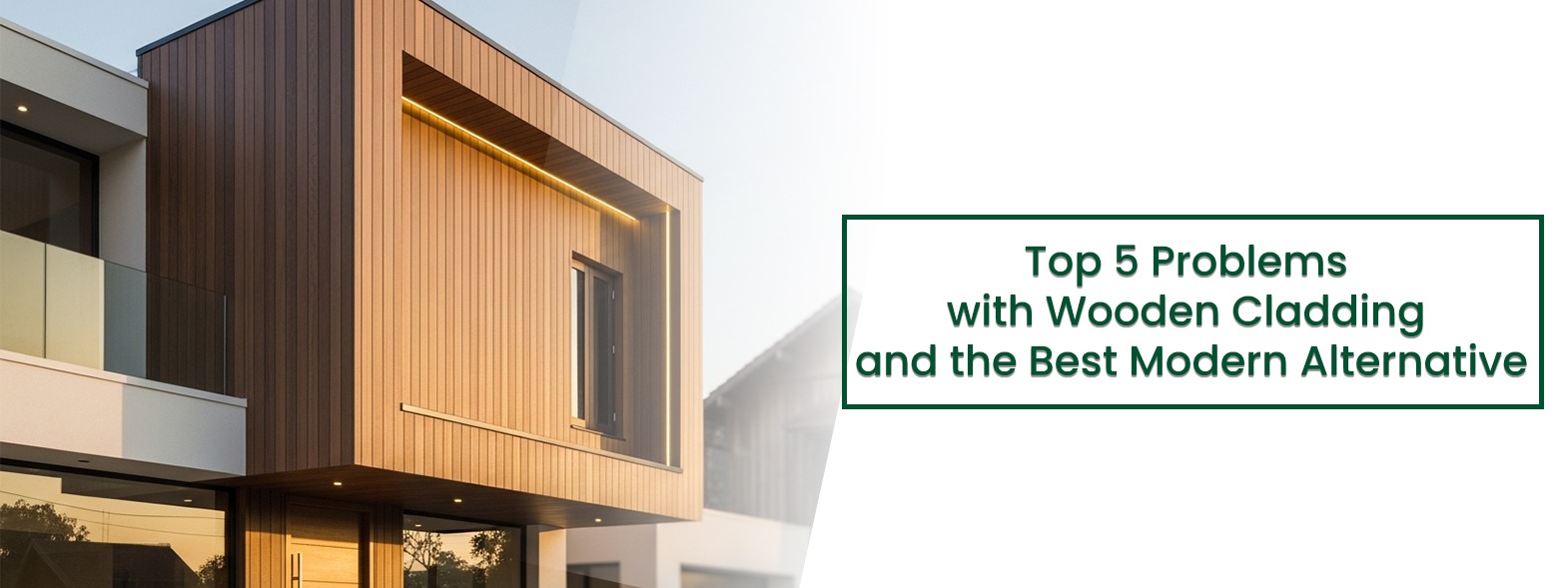
Wooden cladding has long been associated with premium architecture and natural aesthetics. It brings warmth, texture, and a timeless visual appeal to residential and commercial spaces.
However, as architectural needs evolve, so do expectations from materials. Today, homeowners and architects are not just looking for beauty — they want durability, low maintenance, and long-term performance. This is where traditional wooden cladding often falls short.
In this guide, we explore the top 5 problems with wooden cladding and introduce a modern alternative that is rapidly replacing it in contemporary architecture.
Why Wooden Cladding is Losing Relevance
While wood continues to be admired for its natural look, it comes with inherent limitations, especially in challenging climates like India. Over time, these limitations translate into:
- High maintenance costs
- Reduced durability
- Performance issues in outdoor environments
This is why many architects are now shifting towards engineered materials that offer both aesthetics and reliability.
Top 5 Problems with Wooden Cladding
1. High Maintenance Requirements
One of the biggest challenges with wooden cladding is the constant need for maintenance. To preserve its appearance and durability, wood requires:
- Regular polishing
- Sealing and coating
- Protection from moisture and sunlight
Without proper upkeep, wood quickly loses its finish and begins to deteriorate.
Why It Matters
Maintenance is not just time-consuming — it significantly increases long-term costs.
2. Vulnerability to Weather Conditions
Wood is highly sensitive to environmental changes. In conditions like:
- Extreme heat
- Heavy rainfall
- Humidity
Wood tends to expand, contract, warp, or crack.
Why It Matters
These structural changes affect both appearance and performance, especially in exterior applications.
3. Termite and Pest Damage
Wood is naturally prone to termite attacks and pest infestation. Even treated wood can be affected over time, particularly in regions with high humidity.
Why It Matters
Termite damage can compromise structural integrity and lead to expensive repairs.
4. Shorter Lifespan Compared to Engineered Materials
Compared to modern materials, wood has a relatively shorter lifespan in outdoor conditions. Continuous exposure to weather and environmental factors leads to:
- Fading
- Cracking
- Surface degradation
Why It Matters
Frequent repairs and replacements increase overall lifecycle cost.
5. Inconsistent Appearance Over Time
Natural wood ages unevenly. Over time, you may notice:
- Color variation
- Surface cracks
- Uneven texture
Why It Matters
Maintaining a consistent, premium look becomes difficult, especially for large facades.
The Modern Alternative: Aluminium Wood Finish
As these challenges become more evident, the industry is shifting towards smarter materials. One of the most effective alternatives to wooden cladding is aluminium wood finish. It is engineered to replicate the natural look of wood while eliminating its limitations.
Why Aluminium Wood Finish is the Smarter Choice
Advanced systems like MetaSkin by Luxewood India are designed to solve the exact problems associated with wooden cladding.
1. Zero Maintenance
Unlike wood, aluminium wood finish does not require:
- Polishing
- Sealing
- Frequent upkeep
A simple cleaning routine is enough to maintain its appearance.
2. Superior Weather Resistance
MetaSkin is built to perform in:
- Extreme heat
- Heavy rain
- High humidity
It does not warp, crack, or degrade over time.
3. Complete Termite Protection
Aluminium is naturally resistant to pests. This eliminates one of the biggest risks associated with wooden cladding.
4. Long-Term Durability
Aluminium wood finish offers a significantly longer lifespan compared to wood. It maintains structural integrity and visual appeal for years.
5. Consistent Premium Finish
Unlike natural wood, aluminium wood finish ensures:
- Uniform color
- Stable texture
- No fading or uneven aging
This is especially important for modern architectural designs.
What is the Best Alternative to Wooden Cladding?
Aluminium wood finish cladding is considered one of the best alternatives to wooden cladding because it offers the same natural appearance while providing higher durability, low maintenance, and better resistance to environmental factors.
Why Architects are Choosing Aluminium Wood Finish
Modern architecture demands materials that deliver both design and performance. Architects today prefer aluminium wood finish because it offers:
- Flexibility in design
- Reliability in performance
- Long-term value
Solutions like MetaSkin by Luxewood India are increasingly being used in:
- Residential facades
- Villas
- Commercial projects
- Outdoor structures
When Should You Avoid Wooden Cladding?
Wood may not be the best choice when:
- The application is exterior
- The environment is harsh
- Maintenance is a concern
- Long-term durability is required
In such cases, aluminium wood finish provides a more practical solution.
Final Verdict
Wooden cladding continues to hold aesthetic value, but its limitations make it less suitable for modern construction demands. Aluminium wood finish offers a balanced solution — combining the visual appeal of wood with the performance of engineered materials.
For homeowners and architects looking for:
- Long-lasting durability
- Minimal maintenance
- Consistent aesthetics
Solutions like MetaSkin by Luxewood India represent the future of cladding. If you are planning a project and want the elegance of wood without its challenges, aluminium wood finish systems offer a smarter alternative.
Connect with Luxewood India to explore facade solutions designed for modern architecture and long-term performance.