
ThermoWood and WPC Timber – Understanding the Differences
Introduction:
Digging deeper into the substitutes of Timber, ThermoWood and Wood Plastic Composite (WPC) Timber are the in-demand materials for various applications. While both have distinct advantages, their processing methods, composition, and performance characteristics are notably different. This Blog explores the technical details and differentiating features of ThermoWood and WPC Timber to help the Architects & Designers make informed decisions based on their needs.
WPC Timber
WPC Timber is a composite material consisting of wood grain or fibers mixed with thermoplastics, usually polyvinyl chloride (PVC), polypropylene, or high-density polyethylene. This combination results in a versatile material with a wide range of applications, from decking to cladding.
- WPC Timber's core is made up of wood fibers or flour derived from hardwood or softwood waste. These fibers are enclosed in a polymer matrix, resulting in a material that combines the strength of wood with the durability of thermoplastics.
- WPC Timber provides greater color and visual uniformity. Manufacturers can alter the material during the manufacturing process to meet certain aesthetic requirements.
- WPC Timber's polymer matrix helps to keep wood resistant to moisture, which lowers the risk of rot, deterioration, and fungal growth. Because of this feature, it can be used in humid environments or close to a water source.
- WPC Timber is well-known for its low maintenance needs. It does not require sealing, staining, or frequent treatments like traditional timber, making it an appealing alternative for people looking for a hassle-free material.

ThermoWood
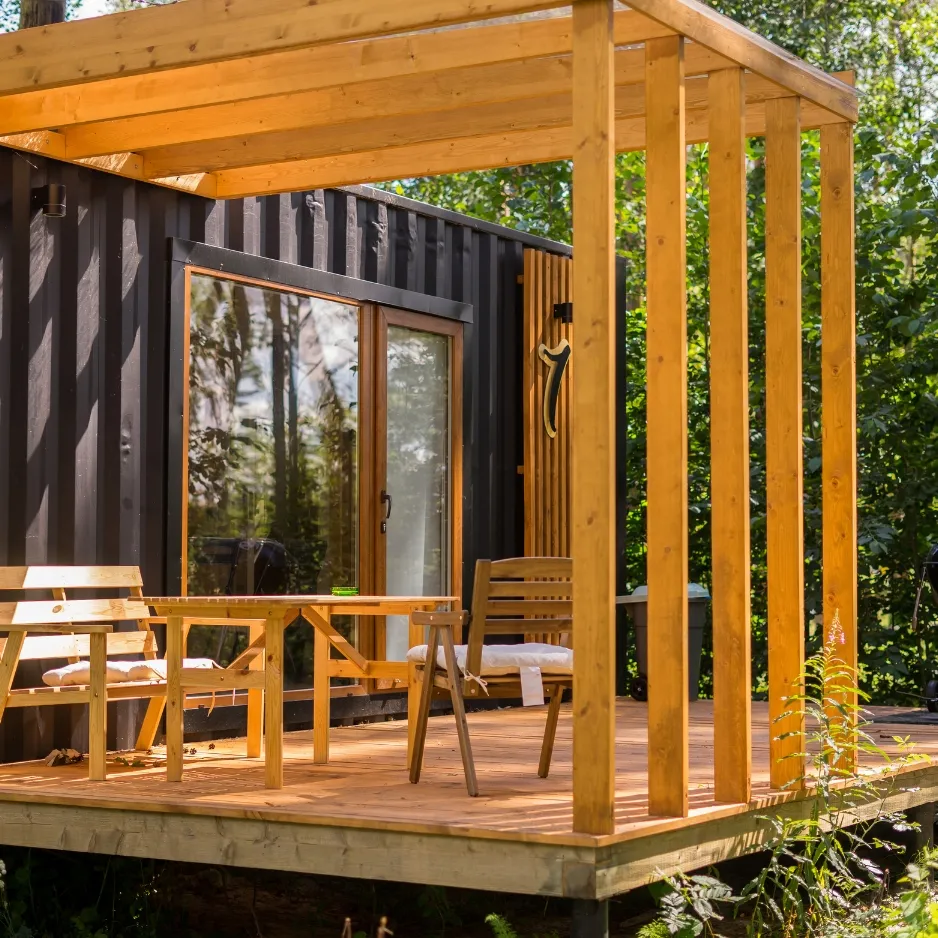
ThermoWood is a thermally treated wood that goes through a controlled heat treatment procedure with steam and high temperatures. This technique enhances the physical properties of the wood making it more durable, dimensionally stable and decay resistant. ThermoWood is sourced from responsibly managed forests making them the perfect solution for growing demand for sustainable building materials.
- ThermoWood is subjected to a heat treatment process in which the wood is exposed to high temperatures, frequently exceeding 200°C. This alters the chemical structure of the wood, lowering moisture absorption and boosting decay resistance.
- ThermoWood keeps its natural appearance, with beautiful, uniform coloration over a long period of time. This appeals to those looking for a timber aesthetic without sacrificing performance.
- The lifetime of ThermoWood is elongated due to its increased resistance to fungi, degradation and insects. This makes it excellent for exterior cladding, decking, and other outside applications where exposure to these elements is a concern.
- The thermal modification procedure considerably reduces the moisture content of the wood, limiting expansion and contraction due to humidity variations. Because of this improved dimensional stability, ThermoWood becomes an ideal choice for outdoor applications.
Comparison:
- Sourcing:
ThermoWood and WPC Timber are both environment friendly materials. The difference is that ThermoWood is sourced from responsibly managed forests and adheres to responsible forestry standards and WPC timber is made from wood waste, reducing the environmental impact of traditional timber.
- Applications:
ThermoWood's improved dimensional stability and natural aesthetics make it the perfect choice for applications like cladding, decking, roofing, etc., demanding creation of visually appealing and soothing spaces. WPC Timber, on the other hand, is ideal for fencing, decking and other outdoor projects sensitive to climate due to its low maintenance and moisture resilience.
- Aesthetics:
ThermoWood is appealing to individuals who admire the natural beauty of wood, as it retains its appearance even after thermal treatment. WPC Timber has a more consistent appearance and can be customized for those with specific aesthetic preferences.
The choice between WPC Timber and ThermoWood depends on the application and preferences of the end user, Architects or Designers. ThermoWood offers durability, dimensional stability and natural appeal while WPC TImber offers versatility, customization and low maintenance benefits. The market demand for both the materials is increasing and so are the innovations to make them better. Considering the benefits, variety of applications and increasing demand of both ThermoWood and WPC Timber, Luxewood India is set to meet it with innovation and craftsmanship. Luxewood India is a manufacturer and supplier of ThermoWood and WPC Timber Panels that bring a touch of sophistication and an essence of nature in indoor and outdoor applications.