
The Role Of Wood In Landscape Architecture
Introduction
Wood is a sustainable material that plays an important role in landscape architecture. Its natural beauty, warmth, and appeal makes an excellent choice for outdoor spaces. This writeup explores the diverse applications of wood in landscape architecture.
Versatility of wood
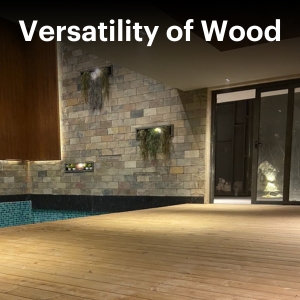
Wood is commonly used in various structures in landscape architecture, These include:
Decks: Wooden decks provide comfortable and attractive outdoor living spaces that enhance the natural surroundings and form a strong base for outdoor furniture.
Gazebos: These structures offer shade and shelter that makes outdoor areas more comfortable. The gazebos are allowed for customized designs that enhance the aesthetic appeal of the gardens.
Fences and gates: Wooden fences and gates provide privacy and security. They can be designed in various styles, from rustic to modern, that enhance the overall landscape design.

Decorative elements
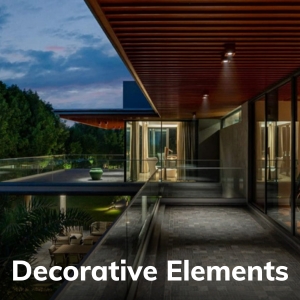
Premium wood adds a decorative touch to any outdoor spaces.
Garden furniture: Wooden benches, tables, and chairs raise the comfort and increase the overall visual appeal of the garden.
Planters and wooden beds: Wooden planters and raised beds provide an attractive way to organize and display plants.
Aesthetic appeals
Wood’s natural colours and textures add depth and interest to any outdoor spaces. It blends with other natural elements like plants, rocks, and water. Wood’s warm tones and inviting texture create a welcoming atmosphere. Its quality makes the outdoor environment feel more comfortable and engaging. Wood can be easily shaped and finished to match specific design preferences, allowing landscape architects to provide customized solutions.
Sustainability of wood
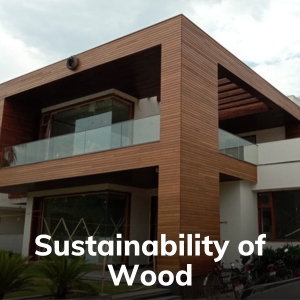
Wood is a renewable resource that needs to be sourced properly from the forests. Using wood in landscape architecture reduces the environmental impact of construction. Wood captures and stores carbon dioxide, which helps in climate change. With proper treatment and maintenance, wood can be a long lasting material.
Using durable and protective finishes, can increase the lifespan of the wood and that makes a sustainable choice for the landscape architecture.
Wood is an invaluable material in landscape architecture, defining its natural beauty and sustainability. Wood blends with nature while providing warmth visual appeal, that makes a preferred choice for landscape architects to design sustainable outdoor spaces.