
Factors to Consider in Choosing the Right Wall Panels
When designing a space, be it residential or commercial, good wall panels impact any given area's aesthetic look, tactile feel, and functionality. Countless options are available to get lost in the jungle of wall panel forms. This blog will critically examine the factors to consider when choosing wall panels to help you clinch the most appropriate choice for aesthetics, durability, sustainability, and budget.
Understanding the Aesthetic Appeal of Wall Panels and Comparing Popular Materials
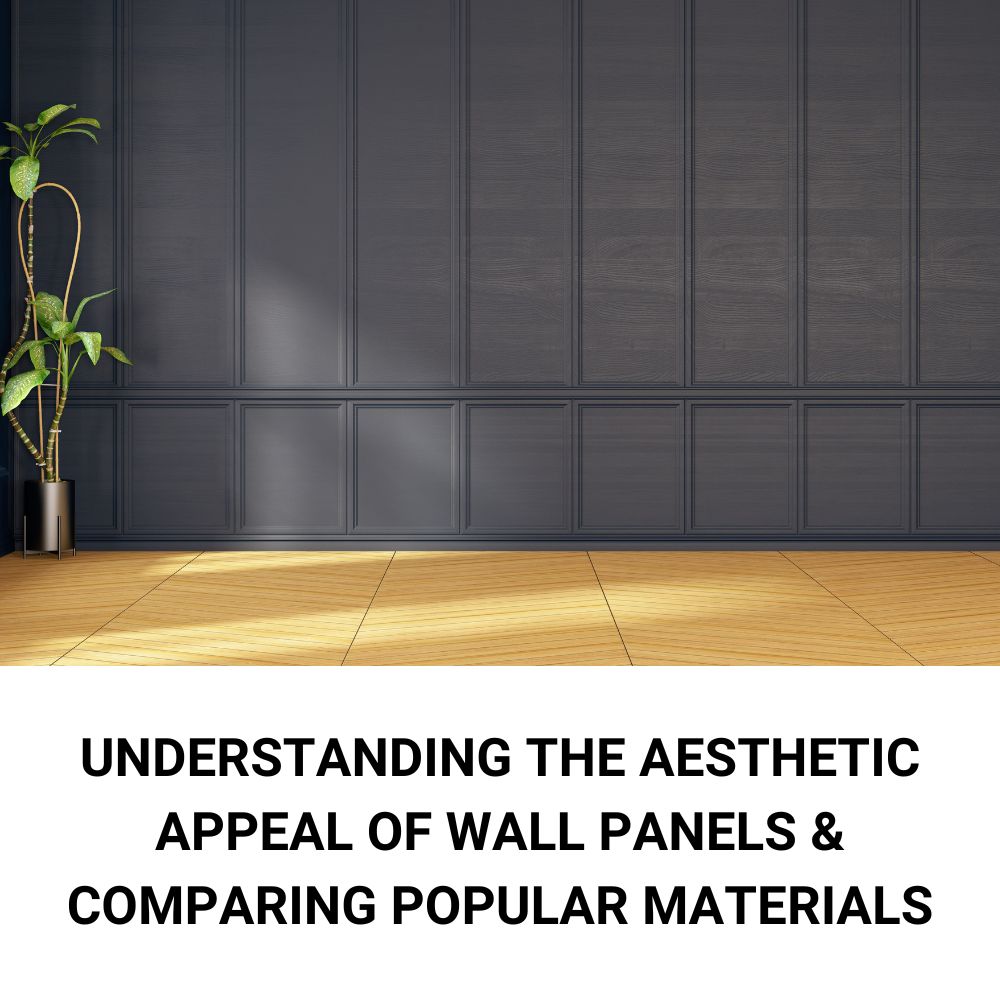
Wall panels are an excellent art product and a functional addition. Their effective hit is visible in enhancing the style of any area. The most common materials used for wall panels are WPC (wood plastic composite), MDF (medium-density fibreboard), PVC, and plywood.
For example, WPC panels give a wood-like finish, which adds warm elegance with less maintenance. MDF is the cheapest option: it has a smooth, even surface suitable for most finishes. PVC panels are much used because they are waterproof and thus best suited for wet areas. Known for their natural appeal and strength, plywood panels are used in modern and traditional forms of architecture.
Every type has its respective advantages; hence, it is worth comparing them, considering the aesthetics and functionality required in your area.
Choosing Wall Panels for Durability and Longevity
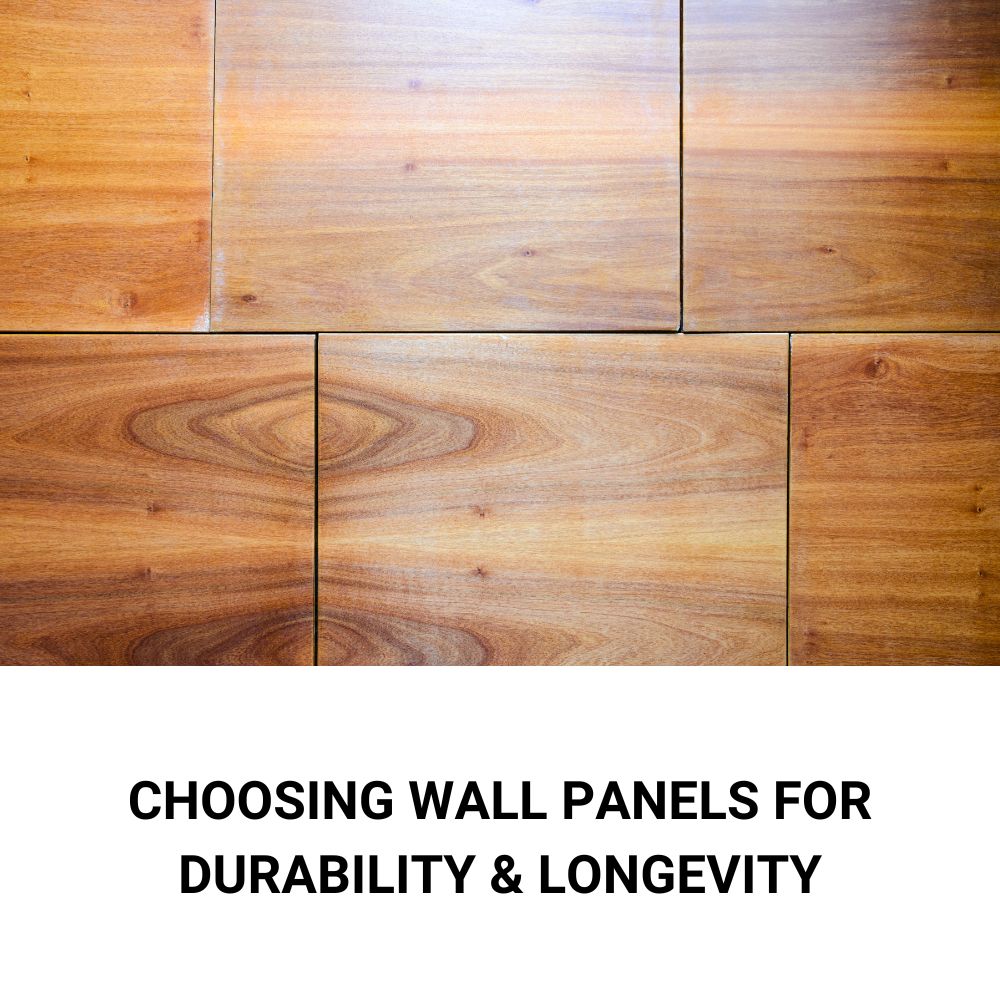
When selecting wall panels, the most crucial consideration is durability and longevity. For example, areas exposed to an extreme environment or extremely high utilisation would require materials that would withstand these factors. WPC and PVC panels are some of the most durable, water- and termite-proof materials for heavy traffic and outdoor applications. On the other hand, MDF and plywood require more attention and maintenance because they are susceptible to damage caused by water and lack weather resistance. However, they are likely used for wet areas, such as indoor places with lower moisture exposure.
When choosing a wall panel, consider how the material will age over time and how you will incorporate that into your maintenance schedule selected.
Balancing Quality and Budget When Selecting Wall Panels
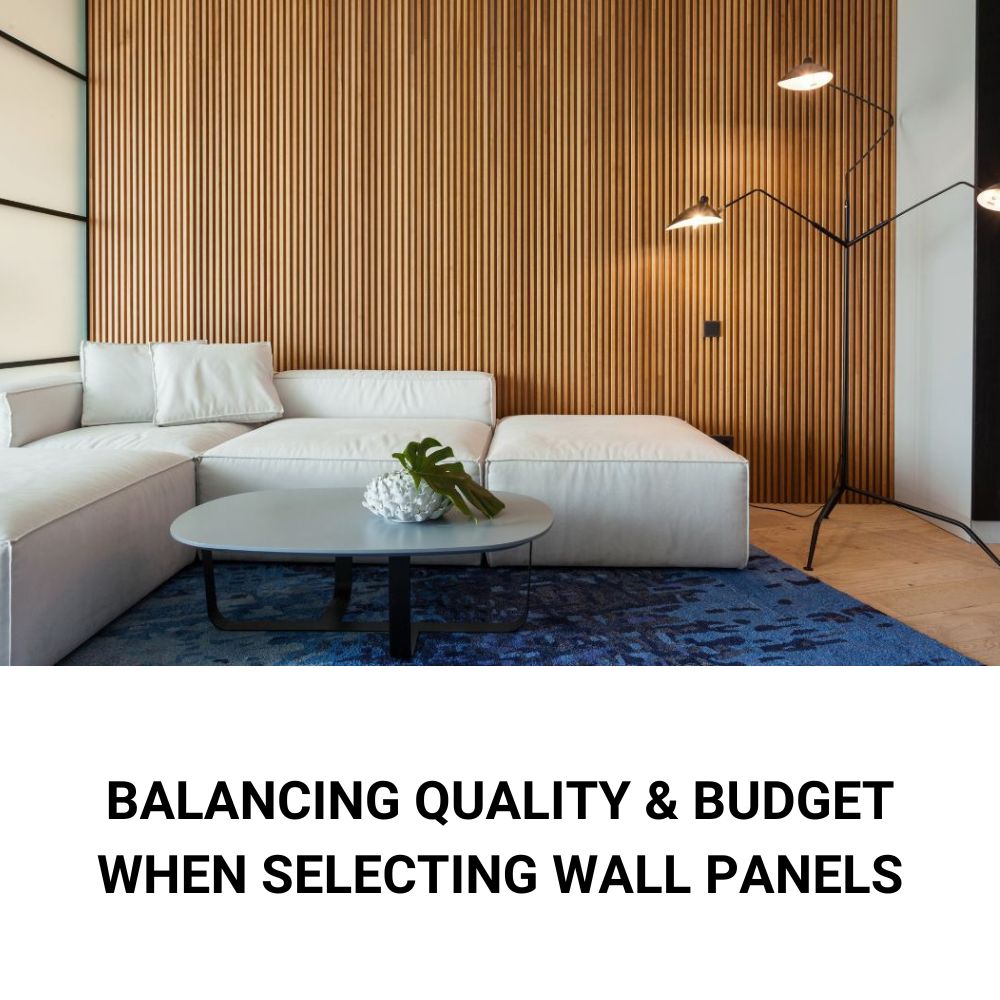
The other important consideration, especially for wall panels, is balancing quality against the budget. High-quality materials like WPC or plywood cost a lot but offer long durability and beautiful looks, so they are worth buying for long-term use. On the other hand, MDF and PVC panels are cheaper alternatives for those working on a small budget.
This is a very important trade-off regarding initial expenses and future savings. For example, a WPC panel will cost more initially, yet it will ultimately save you money because it is less maintenance-intensive and has a longer lifespan. PVC panels are economical and can give you a very good price-performance ratio for several applications.
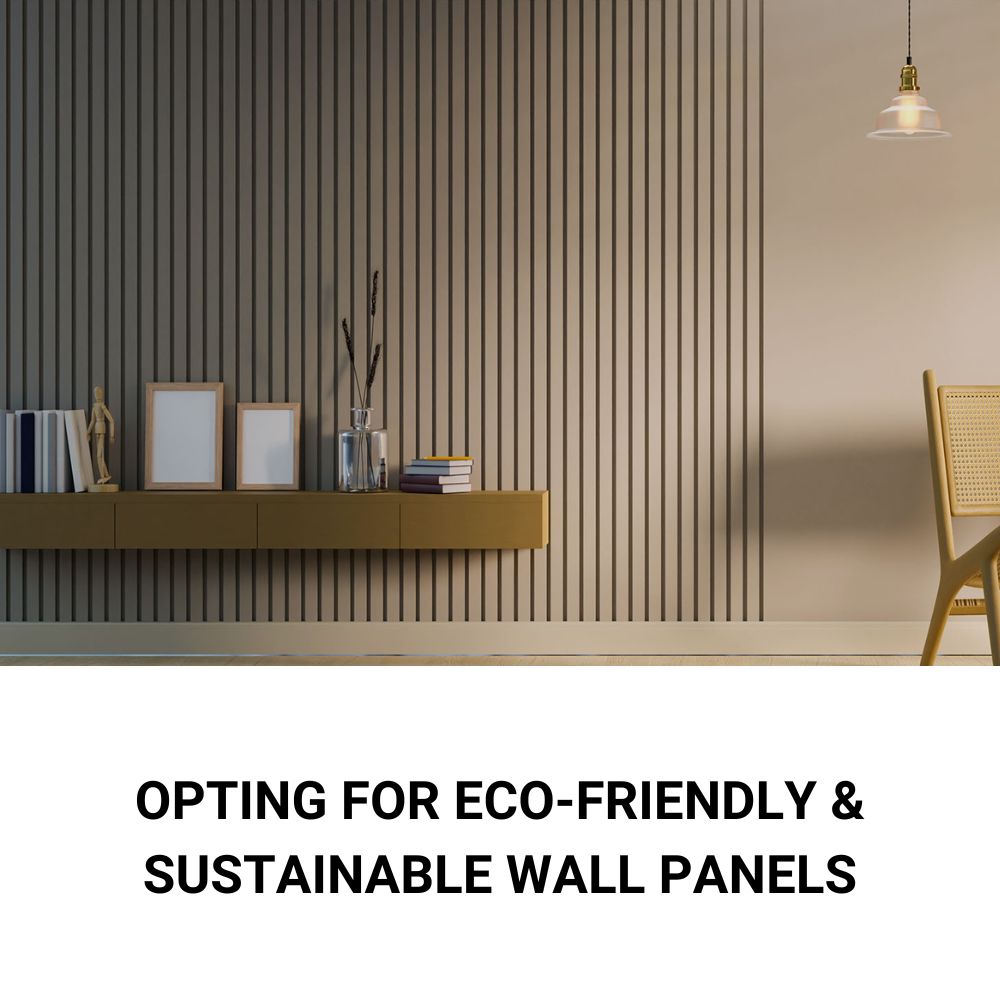
Opting for Eco-Friendly and Sustainable Wall Panels
Sustainable priorities are rising among homeowners, builders, and designers. WPC wall panels from recycled materials such as wood-plastic composites help ensure an eco-friendly alternative to conventional wood products. By using recycled wood fibers along with plastic, WPC panels reduce the impact on the environment.
Another sustainable product is MDF, which is renewable wood fibers pressed into boards without chemicals. Using such recyclable materials ensures a lighter environmental burden and little contribution towards green construction. Seek wall panels that favor sustainability, less wastage, or low environmental impact.
Ultimately, while selecting wall panels, every user keeps in mind a balance between aesthetics, affordability, and sustainability. Luxewood has found the final touch with its eco-friendly WPC panels that have wood-like beauty, cannot compromise durability, and are sustainable. All of this, while in the form of wood plastic composite (WPC), includes Luxewood panels such as Thermo Pinewood, decking panels, and WPC cladding, providing an excellent, low-maintenance, eco-conscious alternative to traditional wood and allowing for customized models in any space that will last over time.