
Designing Rooftops and Terraces in the Middle East: Why WPC Decking Is the Future
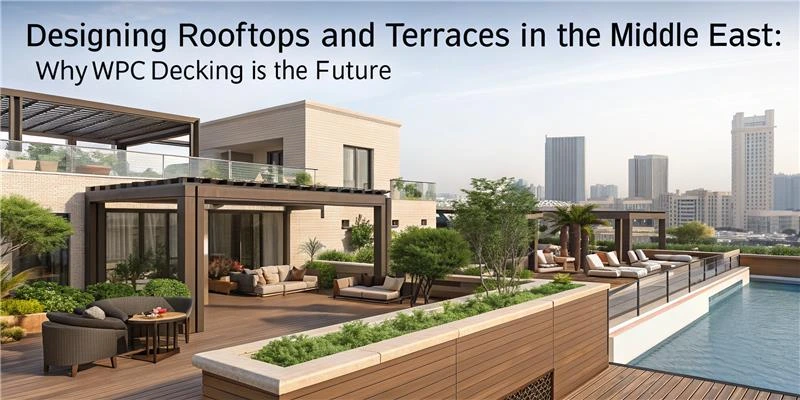
In the Middle East, the demand for well-designed rooftop and terrace spaces has surged. As urbanisation continues and temperatures soar, many are transforming these often overlooked areas into luxurious outdoor living spaces. However, with the region's extreme weather conditions—intense heat, humidity, and occasional sandstorms—choosing the right materials for these projects is crucial.Wood-Plastic Composite (WPC) decking has emerged as a game-changer, providing the ideal solution for creating stunning, durable outdoor spaces that withstand the harsh Middle Eastern climate.
1. The Need for Durable Outdoor Spaces in the Middle East
With temperatures regularly exceeding 40°C during the summer and fluctuating humidity levels, the Middle East presents a unique challenge for outdoor living. As more people invest in rooftop gardens, terraces, and open-air lounges, the demand for durable, low-maintenance materials that can withstand these conditions is rising. Natural wood, although aesthetically pleasing, is prone to warping, cracking, and fading when exposed to constant sunlight and humidity. In contrast,WPC decking offers a robust alternative that can endure the region’s climate while providing the same aesthetic appeal as traditional wood.
2. Understanding WPC Decking: What Sets It Apart?
WPC is an engineered material composed of a blend of wood fibres and plastic polymers, making it highly durable and weather-resistant. This composite material offers the best of both worlds: the natural appearance and texture of wood, combined with the added strength of plastic. The manufacturing process involves combining these components under high pressure to create strong, long-lasting planks that are resistant to moisture, stains, and fading.WPC decking has quickly gained popularity in residential, commercial, and hospitality projects due to its eco-friendliness, durability, and aesthetic versatility.
3. Why WPC Decking Is Ideal for Middle Eastern Rooftops and Terraces
The Middle Eastern climate presents specific challenges for outdoor materials, making WPC decking the ideal choice for rooftops and terraces. WPC’s resistance to UV rays, moisture, and extreme temperatures makes it perfect for the harsh sun and humidity typical of the region. Unlike natural wood, which can absorb moisture and swell, leading to cracks and degradation, WPC decking does not warp, crack, or splinter. Additionally, WPC is resistant to mould, rot, and insects, which is vital in humid areas where wood tends to degrade quickly.
Another advantage of WPC decking is its low-maintenance nature. In a region where regular upkeep is often challenging due to the intense heat and dust, WPC requires minimal maintenance. Unlike traditional wood, which requires regular resealing or staining, WPC simply needs occasional cleaning to maintain its appearance.
4. Aesthetic Appeal and Design Flexibility of WPC Decking
WPC decking offers a wide range of design possibilities, allowing homeowners and designers to create beautiful, customisable outdoor spaces. Available in a variety of textures, colours, and finishes, WPC can be designed to mimic the look of different types of wood, such as teak, mahogany, and oak, providing designers with the flexibility to match their desired style.
Whether it's a luxurious rooftop terrace for a high-end hotel or a cosy residential garden, WPC decking adds elegance to any outdoor space. The material is available in a range of finishes, from smooth and polished to textured, providing design flexibility that appeals to both modern and traditional aesthetics.
5. The Future of Outdoor Living: Sustainability and Cost-Effectiveness with WPC Decking
One of the most compelling reasons to chooseWPC decking is its sustainability. Unlike traditional wood, which contributes to deforestation, WPC is made from recycled materials, including wood fibres and plastic, making it an eco-friendly choice. The manufacturing process also requires less energy compared to that of producing traditional wood products, further reducing its environmental impact.
In addition to its sustainability, WPC decking is cost-effective in the long run. While the initial investment may be higher than some alternatives, its durability and low-maintenance requirements mean that property owners save on repairs, refinishing, and replacements over time. This makes WPC decking a wise, long-term investment for both residential and commercial projects.
Conclusion
As the demand for innovative and durable materials continues to grow in the Middle East, WPC decking stands out as a perfect choice for designing rooftop and terrace spaces. Offering a combination of aesthetic appeal, weather resistance, and low maintenance, it meets the needs of both designers and property owners looking to create stunning outdoor spaces that will stand the test of time in the challenging Middle Eastern climate. Whether it’s a luxury residential terrace or a commercial rooftop lounge, WPC decking is shaping the future of outdoor living in the region.