
Cost of Aluminium Cladding in India (2026 Guide for Homeowners & Architects)
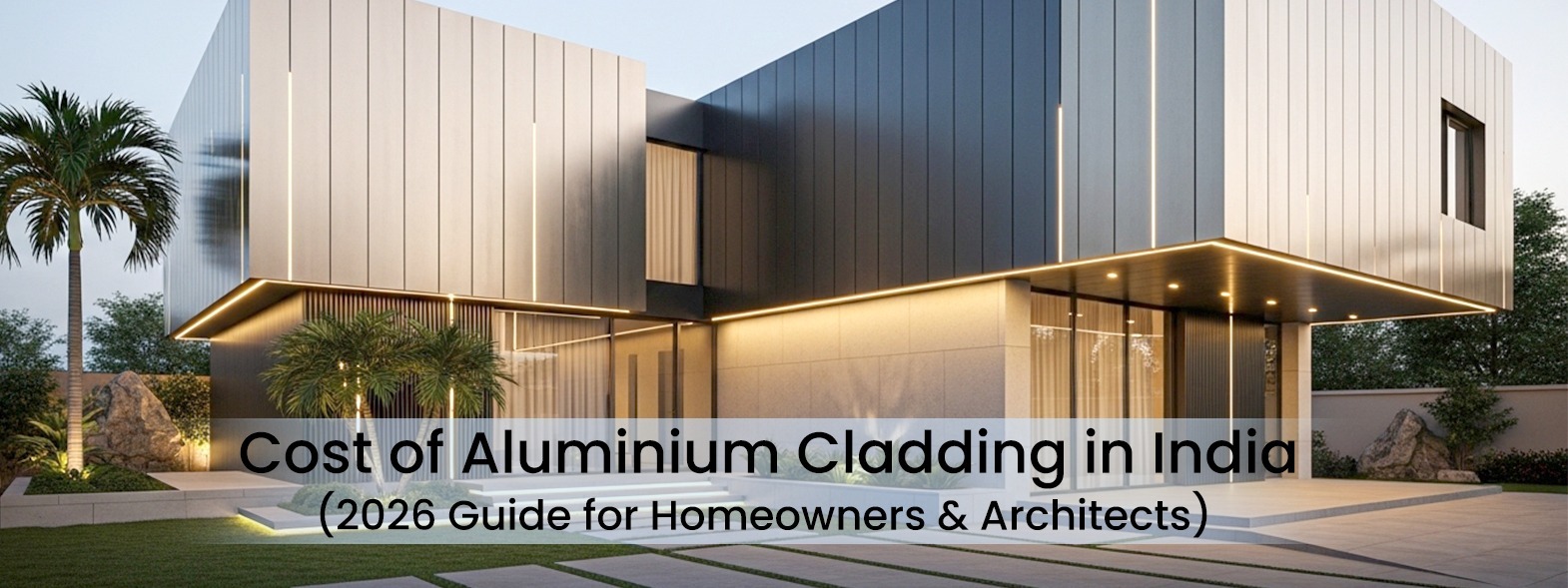
Aluminium cladding has become a defining element in modern architecture across India. From luxury villas to commercial facades, it is widely used for its clean aesthetics, durability, and adaptability.
However, when planning a project, the question is not just about cost — it is about value, performance, and long-term return on investment.
Instead of focusing on a fixed number, it is more important to understand what actually influences aluminium cladding costs and how to choose the right system for your project. This guide breaks down the key factors, types, and strategic considerations to help homeowners, architects, and developers make informed decisions.
What is Aluminium Cladding?
Aluminium cladding is an exterior finishing system where aluminium panels are installed on building surfaces to enhance both aesthetics and protection.
It is widely used for:
- Building facades
- Exterior elevations
- Ceilings and soffits
- Louvers and architectural features
Modern aluminium systems are engineered to provide long-term durability, weather resistance, and design flexibility, making them ideal for contemporary construction.
Why Aluminium Cladding is in Demand
The shift towards aluminium cladding is driven by changing architectural needs:
- Preference for low-maintenance materials
- Demand for modern and minimal design
- Need for durable solutions in harsh climates
- Focus on long-term performance over short-term savings
Aluminium addresses all these requirements effectively, which is why it is increasingly replacing traditional materials like wood and stone.
Key Factors That Influence Aluminium Cladding Cost
Instead of a fixed price, aluminium cladding cost depends on multiple variables. Understanding these helps in better planning and decision-making.
1. Type of Cladding System
Different aluminium systems offer different performance levels.
- Basic panels are more cost-efficient
- Engineered systems provide higher durability and finish quality
- Advanced facade systems offer design flexibility and premium aesthetics
The choice of system plays a major role in overall investment.
2. Panel Thickness and Quality
Thickness directly impacts strength, durability, and lifespan.
- Thinner panels are used for basic applications
- Thicker panels provide better structural performance and longevity
Higher-grade panels naturally increase the initial investment but improve long-term value.
3. Surface Finish and Coating
Finish is one of the biggest differentiators.
- Standard coatings offer basic protection
- Advanced coatings provide UV resistance and long-term color stability
- Wood-finish aluminium systems replicate natural wood aesthetics
Premium finishes require more advanced processing, which influences overall project cost.
4. Design Complexity
The complexity of the facade design significantly affects cost.
- Flat, simple elevations are more efficient
- Curved, perforated, or parametric designs require specialized fabrication
- Custom detailing increases both material and installation effort
Architectural creativity often comes with increased execution complexity.
5. Installation Requirements
Installation is not just a minor component — it is a critical factor.
- Simple installations are straightforward
- High-rise or complex structures require specialized systems
- Scaffolding, safety, and precision increase effort
Labour and installation complexity can significantly impact overall project value.
6. Project Size and Scale
Larger projects benefit from economies of scale.
- Bulk projects allow better material optimization
- Smaller projects may have higher per-unit costs due to fixed overheads
Planning the project scope strategically can improve cost efficiency.
7. Location and Accessibility
Geographical factors also play a role.
- Urban areas may have higher labour costs
- Remote locations may involve logistics challenges
- Site accessibility impacts installation efficiency
Types of Aluminium Cladding Systems
Understanding the available options helps in selecting the right solution.
1. Aluminium Composite Panels (ACP)
- Lightweight and versatile
- Commonly used in residential and commercial projects
- Suitable for standard applications
2. Solid Aluminium Panels
- Higher strength and durability
- Used in premium and large-scale projects
- Better structural performance
3. Perforated and Designer Panels
- Used for modern architectural designs
- Allow light, ventilation, and visual impact
- Ideal for creative facades
4. Aluminium Wood Finish Cladding
- Combines the aesthetics of wood with aluminium performance
- Eliminates issues like termites and maintenance
- Ideal for luxury residential and commercial projects
Why Aluminium Cladding is a Value-Driven Investment
When evaluating cladding, focusing only on initial cost can be misleading. Aluminium offers strong long-term advantages:
- Minimal maintenance requirements
- Long lifespan compared to traditional materials
- Resistance to corrosion, moisture, and environmental damage
- Consistent performance across different climates
These factors make aluminium cladding a value-driven investment rather than just a cost decision.
Where Aluminium Wood Finish (MetaSkin) Stands Out
Modern architecture increasingly demands materials that deliver both aesthetics and performance. This is where aluminium wood finish systems like MetaSkin by Luxewood India create a strong advantage.
They are designed to offer:
- Natural wood-like appearance
- High durability in outdoor conditions
- Resistance to weather, moisture, and pests
- Consistent finish without fading or cracking
Unlike traditional wood, these systems eliminate maintenance challenges while retaining the visual appeal of natural materials. For architects and developers, this creates a balance between design intent and long-term reliability.
Choosing the Right Aluminium Cladding for Your Project
The right choice depends on your priorities.
For Budget-Conscious Projects
- Focus on functional aluminium systems
- Choose simple designs
- Optimize installation efficiency
For Mid-Range Projects
- Select better coatings and finishes
- Balance design and durability
- Consider long-term maintenance benefits
For Premium Projects
- Invest in advanced facade systems
- Explore aluminium wood finish solutions
- Prioritize aesthetics, performance, and longevity
FAQs
What factors affect aluminium cladding cost in India?
Aluminium cladding cost depends on panel type, thickness, finish, design complexity, installation requirements, and project size.
Is aluminium cladding a good investment for homes?
Yes, aluminium cladding is a strong long-term investment due to its durability, low maintenance, and weather resistance.
Which type of aluminium cladding is best for modern homes?
Aluminium wood finish cladding is widely preferred for modern homes as it combines aesthetics with durability.
Why is aluminium cladding preferred over wood?
Aluminium offers better resistance to weather, moisture, and termites, while requiring significantly less maintenance than wood.
Final Thoughts
Aluminium cladding is no longer just an exterior finish — it is a strategic architectural decision. While cost is an important factor, the real value lies in performance, durability, and long-term savings.
For modern homes and commercial projects in India, aluminium offers a reliable, flexible, and future-ready solution. And for those looking to combine natural aesthetics with modern engineering, aluminium wood finish systems like MetaSkin represent the next evolution in facade design.