
WPC Panels' Durability and Dashing Aesthetics
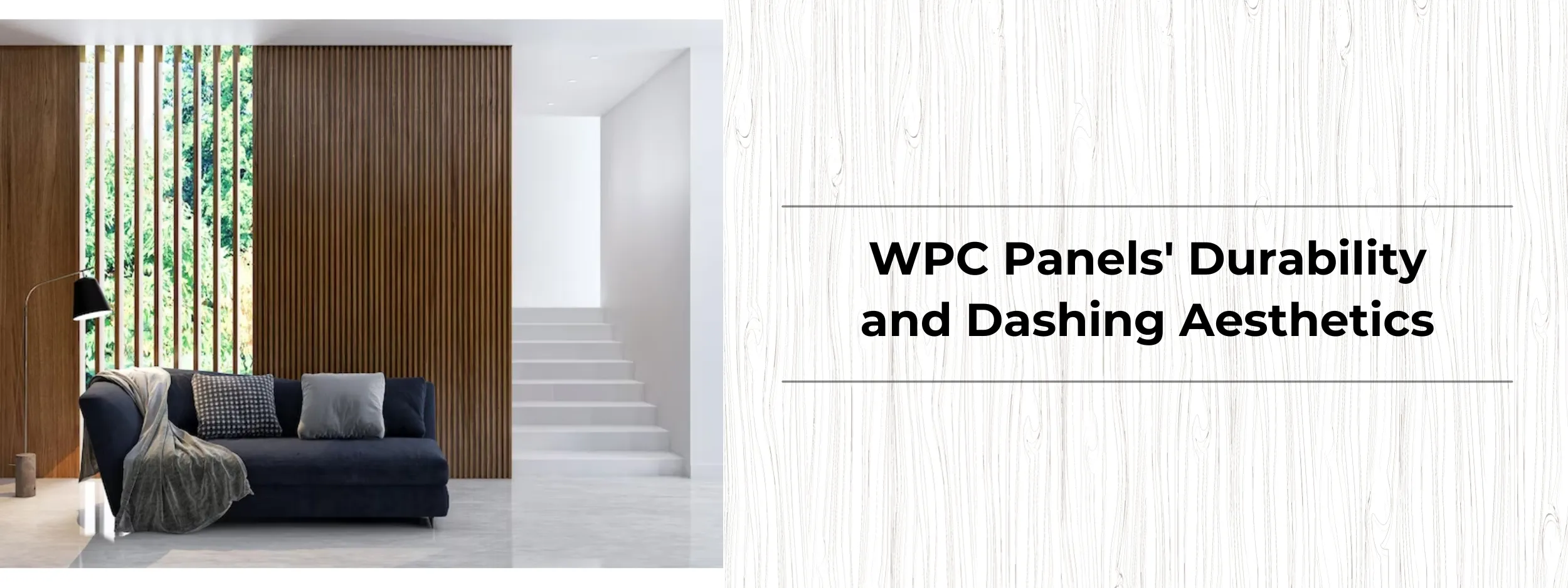
Wood Plastic Composite (WPC) is made from wood fibres, flour, and thermoplastics, often derived from recycled materials.
WPC Timber Decking and Cladding - History
In 1960, the Terragni brothers (Dino and Marco) formed Covema in Milan and pioneered and patented the technology for making Wood-Plastic Composites (WPC). Coleman's trademark Plastic-Wood became synonymous with WPC. Following the advent of plastic wood, Icma San Giorgio set a crucial milestone by patenting the first method for adding wood fibre/wood flour into thermoplastics, boosting the development of Wood-Plastic Composites (WPCs).
WPC Timber Decking and Cladding by Luxewood India
Luxewood India is at the forefront of the construction materials company, delivering a revolutionary approach that seamlessly combines the timeless influence of wood with the modern durability of innovative composite materials. This article delves into Luxewood's inventive harmony, focusing on its durability and daring appeal. Discover the appeal of Luxewood India's Wood Plastic Composite (WPC); it redefines contemporary design and construction possibilities.
WPC Key Formulations with Wood Fibers, Polymers, and Additives
Wood plastic composite is a material that Luxewood India combines natural wood and plastic fibre. Luxewood India promotes environmental sustainability by using recycled and renewable materials. Adding sawdust and recycled plastic reduces the demand for new natural resources and minimizes environmental impact.
Wood fibres (or wood flour) are generally employed as reinforcing fillers in proportions ranging from 50 to 80%, improving the component material's strength and stability. After the ingredients have been combined to a relatively thick consistency, they are extruded or molded.
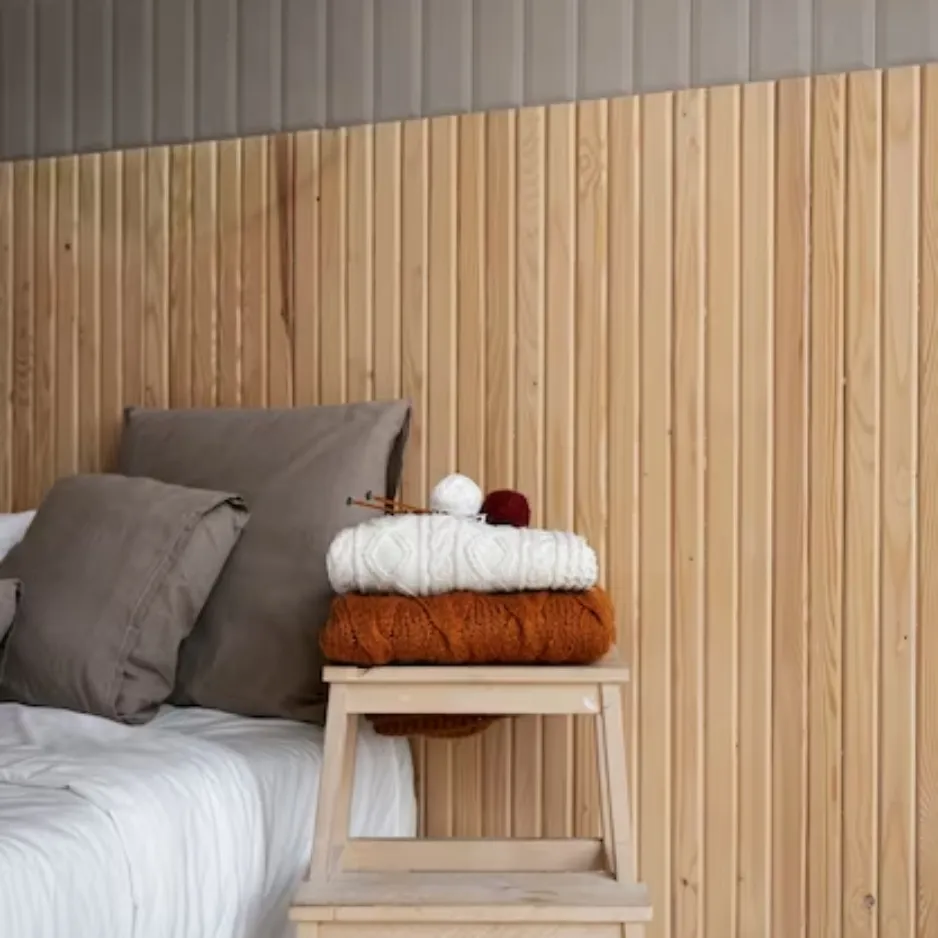
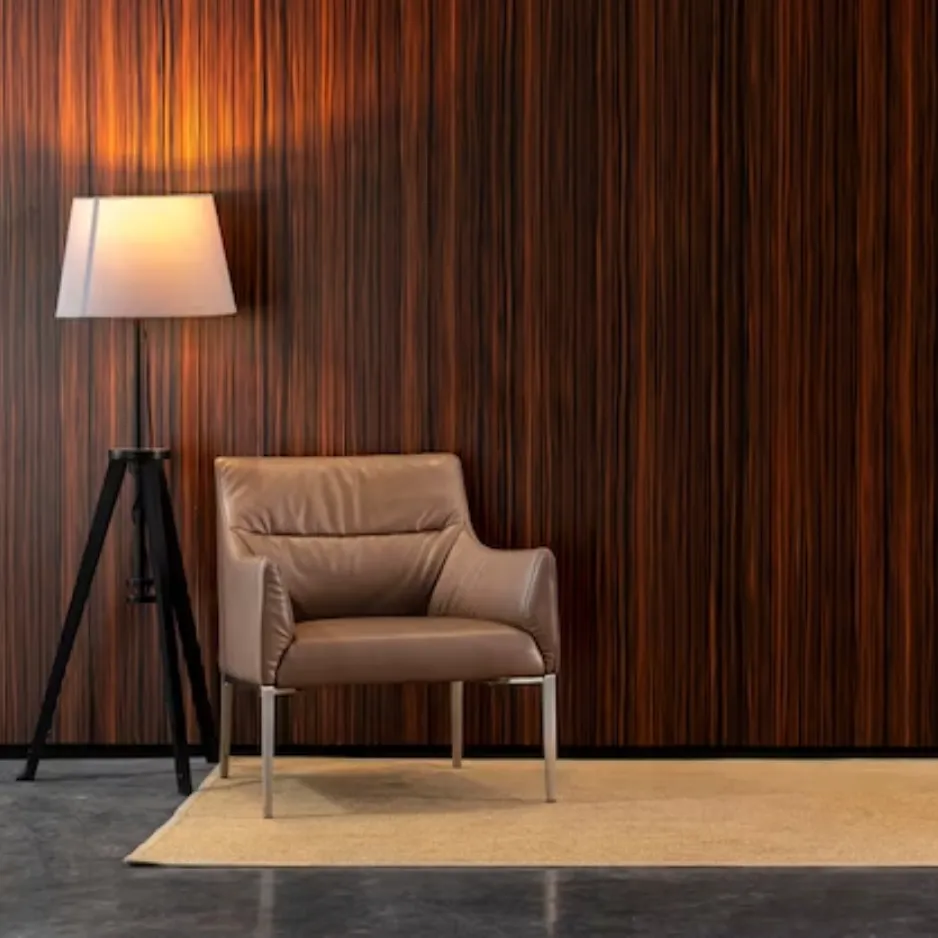

Luxewood India enhances wood composites with carefully selected additives such as colorants, strengthening agents, and lubricants can be added.
Aesthetics and Strength: Luxewood India's dedication to innovative design becomes a parent in the specific creation of Wood Plastic Composite. The product captures the rich textures and grain patterns in natural wood, creating a visually beautiful alternative that does not sacrifice strength. Luxewood comes in a wide variety of hues and treatments, allowing builders, designers, and homeowners to express their taste while benefiting from the durability of a composite material.
Environmental Sustainability: Luxewood India is committed to producing a long-lasting and aesthetically beautiful product. Luxewood India helps reduce the demand for natural resources and waste by using recycled materials in its wood-plastic composite. This environmentally friendly strategy is consistent with the global shift toward sustainable practices.
Conclusion:
Luxewood India wood-plastic composites represent a combination of innovation, durability, and aesthetics in the construction materials industry. Combining wood's appeal with composite materials' durability, Luxewood India redefines what is possible in modern design and construction. A sustainable, visually appealing and environmentally friendly solution, Luxewood India sets a new standard for those seeking a harmonious balance between timeless beauty and contemporary resilience in its architectural projects.