
Aluminium Wood Finish vs Natural Wood: Which is Better for Modern Homes in India?
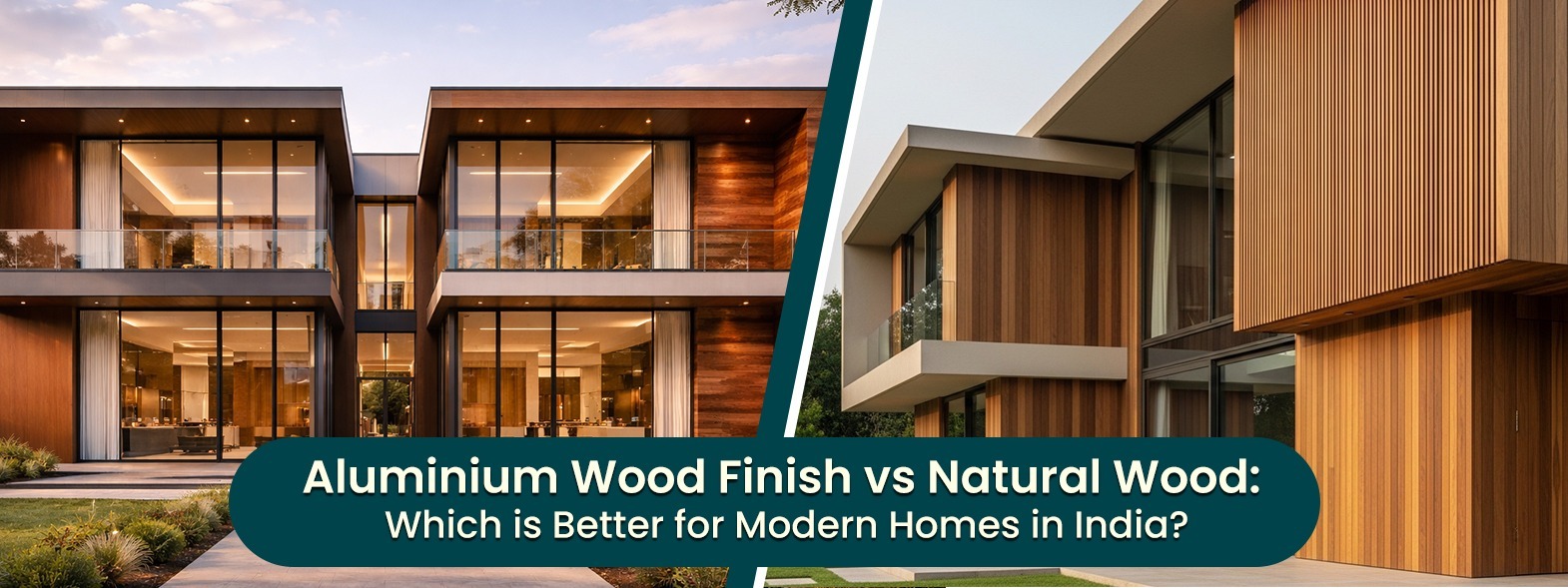
Wood has always been a symbol of warmth, luxury, and timeless design in architecture. From facades to interiors, it has been widely used to create visually appealing spaces. However, with evolving construction technologies and the growing need for durability and low maintenance, modern alternatives are gaining popularity.
One such innovation is aluminium wood finish, a solution that combines the aesthetic appeal of natural wood with the performance benefits of engineered materials.
For homeowners, architects, and developers in India, the key question is: which option truly delivers better value — aluminium wood finish or natural wood? This guide explores both materials in detail to help you make the right choice for modern homes.
What is Natural Wood?
Natural wood refers to timber derived from trees, commonly used in cladding, decking, and interior applications. It is valued for its organic texture, natural grains, and unique visual character.
Benefits of Natural Wood
- Authentic and premium appearance
- Warm and natural feel
- Unique grain patterns
- Strong design appeal across traditional and modern styles
Limitations of Natural Wood
- Vulnerable to moisture and humidity
- Prone to termite and pest attacks
- Requires regular maintenance such as polishing and sealing
- Can warp, crack, or fade over time
While natural wood offers unmatched authenticity, it requires ongoing care and protection, especially in challenging climates like India.
What is Aluminium Wood Finish?
Aluminium wood finish is an advanced material solution where aluminium panels are coated with specialized finishes to replicate the appearance of natural wood. These finishes are engineered to provide both aesthetic appeal and long-term durability.
Solutions like MetaSkin by Luxewood India are designed to offer a realistic wood-like appearance while eliminating the drawbacks associated with natural timber.
Benefits of Aluminium Wood Finish
- Highly durable and long-lasting
- Resistant to weather, moisture, and corrosion
- Termite-proof and pest-resistant
- Minimal maintenance required
- Consistent appearance over time
- Available in various wood textures and shades
This makes aluminium wood finish an increasingly preferred choice in modern architecture.
Aluminium Wood Finish vs Natural Wood: Detailed Comparison
1. Durability
Natural wood is sensitive to environmental conditions. Exposure to sunlight, moisture, and temperature fluctuations can cause it to deteriorate over time.
Aluminium wood finish, on the other hand, is engineered for durability. It does not crack, warp, or degrade easily, even in harsh conditions.
Conclusion: Aluminium wood finish offers significantly higher durability.
2. Maintenance
Wood requires regular maintenance, including polishing, sealing, and protective treatments to maintain its appearance and prevent damage.
Aluminium wood finish requires minimal upkeep. Occasional cleaning is enough to keep it looking new.
Conclusion: Aluminium wood finish is a low-maintenance solution.
3. Weather Resistance
India's climate varies from extreme heat to heavy monsoons, making weather resistance a critical factor.
Wood tends to absorb moisture and expand or contract with temperature changes, which can lead to structural issues. Aluminium remains stable in all weather conditions and does not absorb moisture.
Conclusion: Aluminium wood finish performs better in Indian climates.
4. Termite and Pest Resistance
One of the biggest concerns with natural wood is termite infestation. Wood is highly vulnerable unless treated regularly. Aluminium is completely immune to termites and pests.
Conclusion: Aluminium wood finish is a safer and more reliable option.
5. Cost Comparison
Natural wood may have a lower initial cost depending on the type of timber used. However, maintenance, repairs, and treatments increase the overall expense over time.
Aluminium wood finish may have a slightly higher upfront cost, but it significantly reduces long-term maintenance expenses.
Conclusion: Aluminium wood finish offers better long-term value.
6. Aesthetic Appeal
Natural wood is known for its authentic texture and natural beauty, which is difficult to replicate perfectly. However, modern aluminium wood finish technologies have advanced significantly, offering finishes that closely resemble real wood. These finishes provide consistency in color and texture without the imperfections that natural wood may develop over time.
Conclusion: Both materials offer strong visual appeal, but aluminium provides more consistency and durability.
Why Aluminium Wood Finish is Ideal for Modern Homes in India
Modern homes require materials that balance design, performance, and sustainability. Aluminium wood finish solutions meet these requirements effectively.
Products like MetaSkin by Luxewood India are engineered to deliver:
- Wood-like aesthetics with modern precision
- Long-lasting performance in outdoor conditions
- Reduced maintenance costs
- Sustainable and eco-friendly alternatives to timber
For architects and homeowners aiming to create contemporary designs without compromising on durability, aluminium wood finish is an ideal choice.
Best Applications
Natural Wood is Suitable For:
- Interior spaces
- Controlled environments
- Projects where authenticity is a top priority
- Designs that require handcrafted or traditional finishes
Aluminium Wood Finish is Suitable For:
- Exterior facades
- Balconies and pergolas
- Louvers and ceilings
- Commercial and residential buildings
- Projects requiring durability and low maintenance
FAQs
What is aluminium wood finish?
Aluminium wood finish is a coating technology that gives aluminium panels the appearance of natural wood while offering higher durability and resistance to environmental factors.
Is aluminium wood finish better than natural wood?
For most exterior applications, aluminium wood finish is a better option due to its durability, weather resistance, and low maintenance requirements.
Does aluminium wood finish look realistic?
Yes, modern aluminium wood finish panels are designed to closely replicate the texture and appearance of natural wood.
Which is more cost-effective: wood or aluminium wood finish?
While wood may have a lower initial cost, aluminium wood finish is more cost-effective in the long run due to minimal maintenance and longer lifespan.
Final Verdict
Both aluminium wood finish and natural wood have their place in architecture. Natural wood continues to be valued for its authenticity and traditional appeal. However, it comes with maintenance challenges and limitations in durability.
Aluminium wood finish offers a modern solution that combines the beauty of wood with the strength of engineered materials. It is durable, low maintenance, and well-suited for Indian environmental conditions.
For modern homes that demand both aesthetics and long-term performance, aluminium wood finish stands out as the smarter and more practical choice.