
Aluminium vs Wood Cladding: Which Should You Choose?
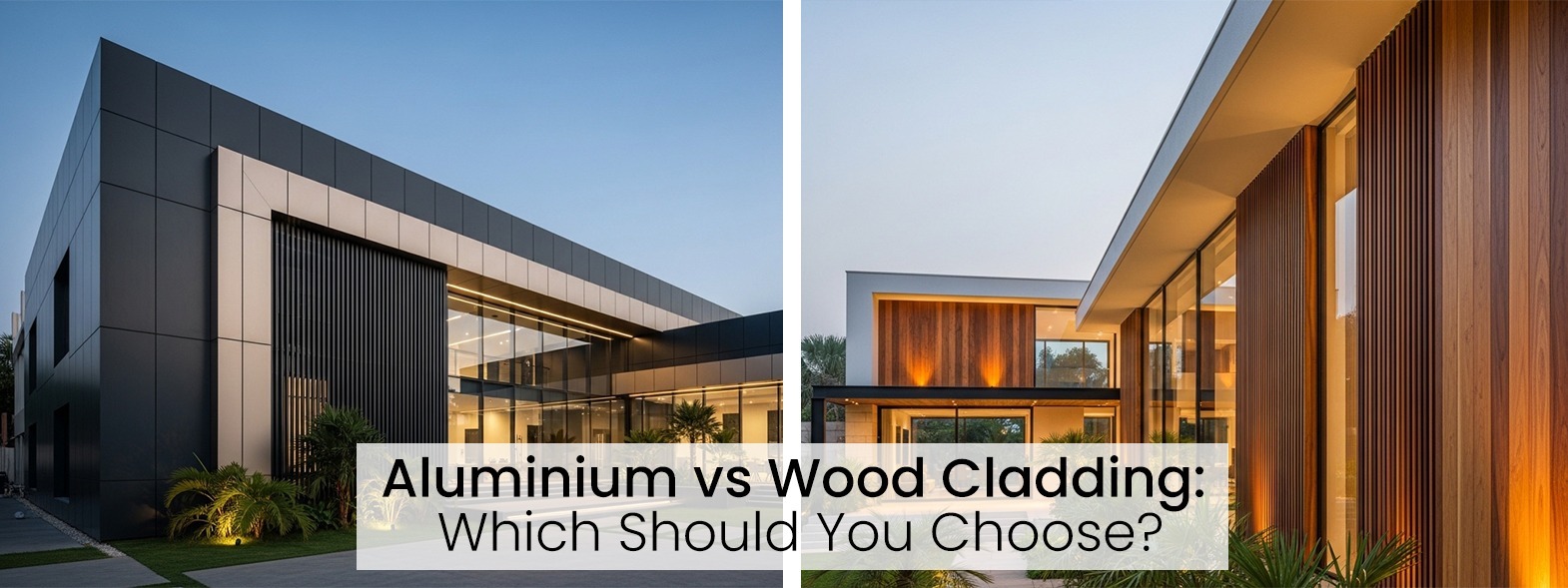
Selecting the right cladding material is a critical decision in modern architecture and construction. Cladding not only defines the visual identity of a building but also plays a vital role in its durability, insulation, and long-term performance.
Among the most popular choices today are aluminium cladding and natural wood cladding. While both materials offer unique advantages, they differ significantly in terms of maintenance, lifespan, and suitability for Indian environmental conditions.
This guide provides a detailed comparison of aluminium vs wood cladding to help architects, builders, and homeowners make an informed decision.
What is Wood Cladding?
Wood cladding involves the use of natural timber panels applied to exterior or interior surfaces to enhance aesthetics and provide a warm, organic appearance. It has been widely used in residential and commercial architecture for its timeless appeal.
Benefits of Wood Cladding
- Offers a natural and premium look
- Enhances warmth and character of a structure
- Suitable for both traditional and contemporary designs
Limitations of Wood Cladding
- Prone to termite attacks and pest damage
- Susceptible to moisture, leading to warping or swelling
- Requires regular polishing, sealing, and maintenance
- Performance may degrade in extreme climates
While wood delivers unmatched natural beauty, maintaining its appearance and structural integrity can be challenging, especially in regions with high humidity and temperature variations.
What is Aluminium Cladding?
Aluminium cladding is an engineered solution that uses metal panels to protect and enhance building exteriors. Modern innovations have introduced aluminium wood finish systems that replicate the appearance of natural wood while offering superior performance.
Products like MetaSkin by Luxewood India combine advanced coating technology with precision engineering to deliver a wood-like aesthetic without the limitations associated with natural timber.
Benefits of Aluminium Cladding
- High durability and resistance to corrosion
- Minimal to no maintenance required
- Excellent weather resistance
- Lightweight and easy to install
- Available in a wide range of finishes, including wood textures
Aluminium vs Wood Cladding: Detailed Comparison
1. Durability
Durability is one of the most important factors when selecting cladding materials.
Wood is a natural material and is vulnerable to environmental factors such as moisture, sunlight, and pests. Over time, it may crack, warp, or degrade.
Aluminium, on the other hand, is engineered for performance. It is resistant to corrosion, does not warp, and maintains its structural integrity for decades.
Conclusion: Aluminium offers significantly higher durability compared to wood.
2. Maintenance
Maintenance requirements can greatly influence long-term costs and usability.
Wood cladding requires periodic polishing, sealing, and treatment to maintain its appearance and protect it from damage. This ongoing maintenance can be time-consuming and expensive.
Aluminium cladding requires little to no maintenance. Occasional cleaning is sufficient to retain its appearance.
Conclusion: Aluminium is the preferred choice for low-maintenance projects.
3. Weather Resistance
India's climate includes extreme heat, heavy rainfall, and humidity, all of which impact cladding materials.
Wood tends to expand and contract with temperature changes, leading to cracks and deformation over time. It also absorbs moisture, which can weaken the material.
Aluminium performs consistently in all weather conditions. It does not absorb moisture and remains stable in extreme temperatures.
Conclusion: Aluminium is better suited for Indian climatic conditions.
4. Termite and Pest Resistance
Termite damage is a major concern for wood-based materials.
Wood cladding is highly susceptible to termite infestations, which can compromise structural integrity if not treated properly.
Aluminium is completely resistant to termites and pests, making it a more reliable option.
Conclusion: Aluminium provides superior protection against pests.
5. Cost Consideration
Cost evaluation should include both initial investment and long-term expenses.
Wood cladding may appear more affordable initially. However, ongoing maintenance, repairs, and treatments increase the total cost over time.
Aluminium cladding may have a slightly higher upfront cost but offers significant savings in maintenance and replacement costs.
Conclusion: Aluminium is more cost-effective in the long run.
6. Aesthetic Appeal
Aesthetics play a crucial role in architectural design.
Wood offers a natural and authentic appearance that is difficult to replicate perfectly.
However, modern aluminium wood finish systems have evolved to closely mimic the texture and appearance of real wood. These finishes provide the desired visual appeal while maintaining performance benefits.
Conclusion: Both materials offer strong aesthetic value, but aluminium provides greater flexibility with fewer limitations.
Why Aluminium Wood Finish is Gaining Popularity
In recent years, aluminium wood finish cladding has emerged as a preferred solution for modern architecture in India. It bridges the gap between natural aesthetics and engineered performance.
Solutions like MetaSkin by Luxewood India are designed to deliver:
- Realistic wood-like finishes
- Long-lasting durability
- Resistance to weather, pests, and corrosion
- Minimal maintenance requirements
This makes aluminium wood finish systems ideal for architects and developers looking for sustainable and high-performance materials without compromising on design.
Best Applications for Each Material
When to Choose Wood Cladding
Wood cladding is suitable when:
- Natural authenticity is a priority
- The application is indoors or in controlled environments
- Regular maintenance is feasible
When to Choose Aluminium Cladding
Aluminium cladding is ideal when:
- The project requires long-term durability
- Maintenance needs to be minimal
- The structure is exposed to outdoor conditions
- Modern and sustainable materials are preferred
FAQs
What is the best alternative to wood cladding?
Aluminium wood finish cladding is considered one of the best alternatives to natural wood due to its durability, low maintenance, and resistance to environmental factors.
Is aluminium cladding better than wood?
For most exterior applications, aluminium cladding is a better choice as it offers higher durability, better weather resistance, and lower maintenance requirements.
Which cladding material is best for the Indian climate?
Aluminium cladding performs better in Indian conditions due to its resistance to heat, humidity, and heavy rainfall.
Does aluminium cladding look like real wood?
Modern aluminium wood finish panels are designed to closely replicate the appearance and texture of natural wood, making them a practical and visually appealing alternative.
Final Verdict
Choosing between aluminium and wood cladding depends on the specific requirements of your project. While wood offers timeless beauty and authenticity, it comes with significant maintenance and durability challenges.
Aluminium cladding, particularly with advanced wood finish systems, provides a balanced solution that combines aesthetics with long-term performance. It is durable, low maintenance, and well-suited to the demanding climatic conditions in India.
For modern architecture that demands both design excellence and reliability, aluminium cladding stands out as the smarter and more future-ready choice.